United States Space Force
THE CHALLENGE
The U.S. Space Force, the nation’s newest military branch, was established in 2019 to protect U.S. and allied interests in the space domain—a mission that demands technical excellence, operational clarity, and a distinct warfighting culture. As the service matured, senior leaders recognized the importance of Guardian input as the basis for its identity formation and cultural foundations.
The Secretary of the Air Force Office of Public Affairs (SAF/PA)—the principal communications advisor to the Secretary of the Air Force, Chief of Staff of the Air Force, and Chief of Space Operations (CSO)—plays a critical role in shaping how the Department of the Air Force (DAF), which houses the Space Force, communicates that identity internally and externally. SAF/PA required research-driven insight to ensure Space Force weapons systems naming conventions authentically reflected the mission purpose, culture, and values of the Guardian community.
To support this high-visibility initiative, SAF/PA engaged A-G Associates, in partnership with Fors Marsh, to deliver rigorous research, analysis, and strategic communications support capable of informing senior leader decision-making at the highest levels of the Department.
Research & Data Analysis
Technical Assistance
Stakeholder Engagement
Strategic Communications
OUR APPROACH
A-G Associates delivered end-to-end research and analysis support designed to capture authentic Guardian perspectives and translate them into actionable insights for senior leaders.
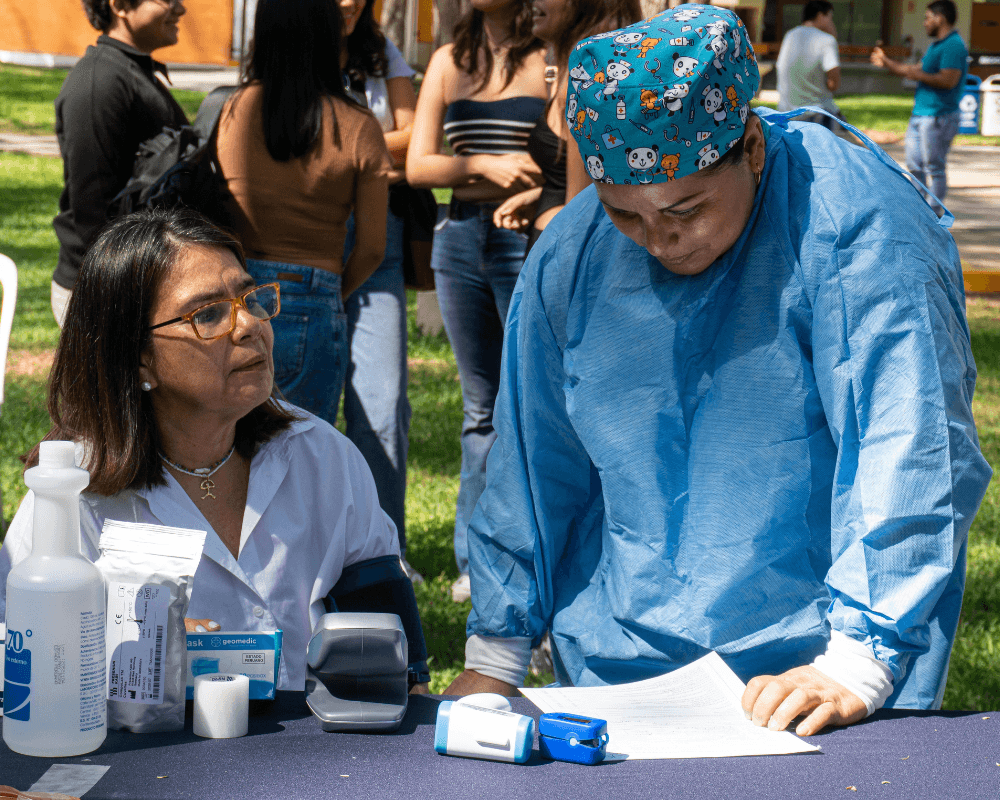
By conducting in-person focus groups at Space Force installations across the country, A-G ensured broad representation and candid feedback, mirroring the Space Force’s commitment to Guardian-driven decision-making. Discussions explored how language, symbolism, and naming conventions reinforce warfighting identity, mission clarity, and pride of service—critical components for a new military branch defining itself on the global stage.
A-G Associates conducted research design and methodology development tailored to Service-specific culture, carried out participant sampling across Space Force installations nationwide, and ensured human subjects research compliance and documentation.
The team also developed data collection protocols and performed quantitative, qualitative, and thematic analysis to meet leadership decision timelines.
A-G Associates delivered insights on an accelerated timeline to support senior leader decisions tied to a public announcement, producing executive-level reports and briefings tailored for senior Air Force and Space Force leaders.
What made A-G’s solution unique was the integration of cultural fluency and methodological rigor—ensuring that insights were not only analytically sound but also deeply aligned with Service values and operational realities.
A-G Associates developed weapons system naming conventions that reflected mission areas, warfighting purpose, and cultural identity, while ensuring internal resonance and Guardian buy-in across a diverse, distributed force. The effort balanced tradition, innovation, and operational clarity for a technically complex service.
“We collect and analyze immense volumes of data, but the real value comes from how we synthesize it and translate complex, nuanced insights into clear, actionable guidance that senior leaders can trust to make decisions and shape policy,” stated Kayleigh Bealer, Associate Vice President of Research, Data, and Evaluation at A-G Associates. She also emphasized, “our approach is intentionally tailored to each client’s unique mission, culture, and operating environment, ensuring the data doesn’t just inform leadership, but meaningfully advances outcomes.”
THE Impact
A-G delivered rapid, insight-rich analysis that directly informed senior leader decision-making and enabled the Space Force to move confidently toward finalizing its weapons system naming conventions.On December 11, 2025, at the Space Force Association’s Spacepower Conference, the U.S. Space Force officially unveiled its weapons system naming conventions—marking a milestone in the service’s cultural and institutional development.
Service-Specific Insights
In just three weeks, the A-G team conducted 15 in-person focus groups across Space Force installations throughout the continental United States, capturing diverse Guardian perspectives at scale.
Rapid Delivery
Within an additional six weeks, the team delivered insight-rich analysis that directly informed senior leader decisions and enabled the Space Force to move confidently toward finalizing naming conventions.
Executive- Level Brief
A-G delivered rapid, insight-rich analysis that directly informed senior leader decision-making and enabled the Space Force to move confidently toward finalizing its weapons system naming conventions.
Research-Informed Naming Conventions
The research-informed naming conventions included the following, which the U.S. Space Force revealed with the video below:
Sentinels – Missile Warning
Constellations – Satellite Communications
Norse Pantheon – Orbital Warfare
Ghosts – Space Domain Awareness
Serpents – Electromagnetic Warfare
Mythological Creatures – Cyber Warfare
Sharks – Navigation Warfare
Video courtesy of U.S. Space Force
These naming conventions now serve as a foundational element of Space Force identity—reinforcing mission clarity, warfighting ethos, and internal cohesion while providing a shared language for Guardians and leaders alike.
By grounding high-visibility policy decisions in Guardian-driven insights, A-G helped the Space Force define how it speaks about its capabilities, reinforces its warfighting identity, and builds cohesion across a technically advanced force.
Ready to define your mission, culture, or communications strategy with confidence? A-G is ready to help.