

By: Matthew Miller, PhD, MPH
Each September, Suicide Prevention Awareness Month reminds us of three guiding principles: suicide is preventable; suicide prevention requires a public health approach; and everyone has a role to play.
These outcomes reinforce what research has consistently shown. Safety planning in emergency departments, lethal means safety initiatives, and Cognitive Behavioral Therapy for Suicide Prevention have all demonstrated effectiveness in reducing suicide risk. Such interventions save lives by helping individuals navigate periods of crisis while strengthening long-term protective factors.
At the same time, suicide prevention cannot be limited to clinical settings. A public health approach recognizes that suicide risk is influenced by factors far beyond an individual's mental health status. Employment, financial stability, housing, social connectedness, and community belonging all shape risk and resilience. Research has demonstrated decreases in suicide rates in communities that invest in programs addressing economic opportunity, financial resources, and legal or justice-related supports.
This broader perspective is especially important for Veterans. The VA's report emphasizes the importance of hope, purpose, community, and comprehensive support systems in reducing suicide risk and strengthening Veteran wellbeing. Strong communities foster connection, reduce isolation, and help Veterans maintain a sense of meaning and belonging.
When viewed through this lens, everyone becomes part of the solution.
Families and friends are often the first to notice changes in mood, behavior, or circumstances. Neighbors, coworkers, faith leaders, and community members can provide connection and support during difficult times. Importantly, we know that asking someone directly about suicide does not "plant the idea." Rather, opening the door to an honest conversation can be life-saving. Simply checking in, listening without judgment, and helping connect someone to resources can make a profound difference.
Because suicide is preventable, public health matters, and every one of us has a role to play. The lives of our friends, families, and community members depend on it.
About the Author
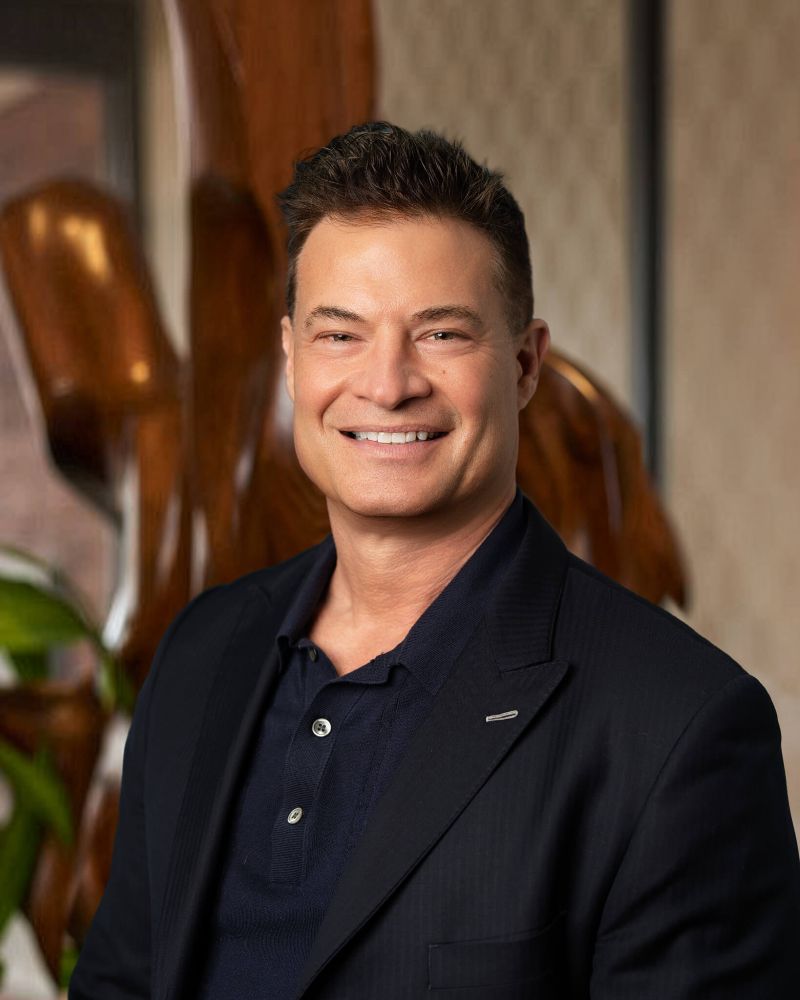
Dr. Matthew Miller, Vice President, Military, Veteran & Family Center of Excellence (MVF COE)
Matthew Miller, PhD, MPH, is a decorated U.S. Air Force veteran with more than two decades in military and veteran healthcare. Dr. Miller previously served as Executive Director for VA Suicide Prevention, Executive Director of the PREVENTS Presidential Taskforce, and Director of the Veterans Crisis Line. He holds a PhD in Counseling Psychology from Michigan State University and an MPH from the University of Michigan. Dr. Miller is nationally recognized for innovative approaches to crisis intervention and community engagement, fostering collaboration, and achieving unprecedented outcomes in veteran suicide reduction.