

What Facing the Fight Together Looks Like
Reflections from the Face the Fight Annual Coalition Meeting in Louisville, Kentucky
Cicely Burrows-McElwain, MSW-LCSW-C, Director of the Military, Veteran and Family Center of Excellence deployed by A-G Associates
I recently found myself reflecting on the very first kickoff event for Face the Fight® in Washington, D.C. in 2023. At that time, the coalition was just beginning to take shape—an ambitious idea rooted in the belief that when organizations and individuals unite around a shared mission, meaningful change is possible. Now, three years later, Face the Fight® is a life-saving initiative uniting more than 250 cross-sector partners in efforts to dramatically reduce veteran suicide by 2032.
In its earliest days, it was an idea that I was fully onboard with. Having worked for years in federal government at Substance Abuse and Mental Health Services Administration (SAMHSA) and the Department of Veterans Affairs (VA), I believed wholeheartedly in saving the lives of our Service members, Veterans and their families by amplifying community-based suicide prevention efforts.
Fast forward to the annual coalition meeting last week in Louisville, Kentucky, and the growth of that vision was unmistakable. What began as a launch event years ago has evolved into a sustained movement. The leading organizations (USAA, Reach Resilience, Humana Foundation, and the Elizabeth Dole Foundation) did more than simply sponsor the work; they renewed their commitments year after year. Their support has shown not just in dollars, but in action: in building robust grant programs, forming partnerships, and strengthening communities.
While the venues were unforgettable—Churchill Downs, the Muhammad Ali Center, and Human HQ—the real value of the gathering came from the people in the room: reconnecting with colleagues, exchanging ideas with peers, and learning together. The most meaningful takeaways were the four lessons that emerged from that shared experience.
1. The Power of a Shared Mission
Never underestimate what can happen when people gather around a common purpose.
There is something powerful about shared space—about people coming together not just to listen, but to connect. In those moments, magic happens. New commitments are formed. Fresh ideas are sparked. And sometimes, the most important thing exchanged isn’t a strategy or a statistic, but a few simple words of encouragement. I am so appreciative of the encouragements given to me from so many old and new friends after my own recent life transition.
For many working in suicide prevention and community well-being, the work can be heavy, yet always meaningful. Days can feel long, and progress can feel slow, but spaces like this remind us that none of us are carrying the work alone. When we come together, we plant seeds of hope that we carry forward long after the meeting ends.
2. The Unsung Heroes in the Room
At gatherings like these, the spotlight naturally falls on those on stage. But some of the most important voices are often sitting quietly in the audience.
They represent small community organizations, local advocates, or individuals with lived experience. Many may not have national recognition or well-known brands behind them. Yet they chose to join this coalition because they know their voices matter and their work can contribute to real change.
During the meeting, some participants shared honestly about moments when they felt less represented or less visible. What stood out most was how openly those thoughts were welcomed. The space allowed for honest conversation, and the coalition conveners listened closely—ready to think together about how we can tell the story of this movement more fully and inclusively.
That willingness to listen is what keeps a coalition strong.
3. Change Begins at Home
After more than a decade helping build the Governor’s Challenge to Prevent Suicide Among Service Members, Veterans, and their Families across states and territories, I’ve learned something important: national coalitions are only as strong as the local communities they empower.
Real healing and real progress happen in the places we call home. This truth was never clearer than during moments when our hosts from the Humana Foundation stepped aside and handed the microphone to local voices—like the Chief of Police in Louisville (Thanks – Chief Humphrey) or the head coach from University of Louisville (Thanks- Coach Meske). Their reflections grounded the conversation in the realities of their neighborhoods, their families, and the people they serve every day.
It was a reminder that while coalitions may gather nationally, their impact is ultimately measured locally.
4. Carrying the Work Forward
Events like the Face the Fight® annual meeting aren’t simply conferences. They are checkpoints in a larger journey—moments to reconnect, reflect, and recommit.
What matters most is what happens afterward: the lessons we carry home, the partnerships we nurture, and the renewed sense of purpose we bring back to our communities.
Facing the fight together means recognizing that every voice in the room matters. It means understanding that progress depends on both national leadership and local action. And most importantly, it means believing that when we unite around hope and shared purpose, real change is possible.
I am honored to carry that work forward as I step into the Director role at the Military, Veteran, and Families Center of Excellence (MVF COE) at A-G Associates. Through the MVF COE, our team is committed to advancing data-driven, evidence-informed approaches that strengthen suicide prevention systems, accelerate innovation, and translate insight into action for the military-connected community.
Suicide prevention demands more than awareness—it requires coordination, innovation, and sustained commitment. By working together across sectors and communities, we can turn shared purpose into measurable progress and ensure that hope is matched with real, life-saving impact.
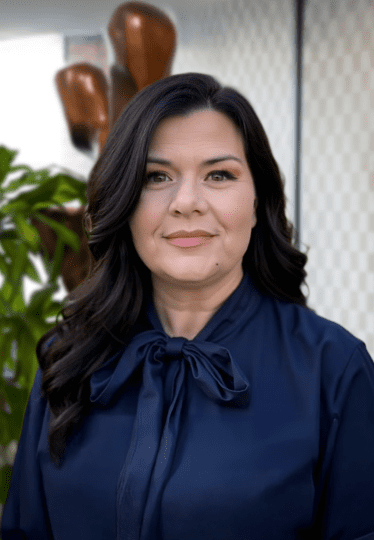
About the Author
Cicely Burrows-McElwain, MSW, LCSW-C, is Director of A-G Associates’ Military, Veteran & Family Center of Excellence (MVF COE), where she helps lead efforts to strengthen systems of care for service members, Veterans, families, and caregivers nationwide. A licensed clinical social worker, Cicely brings more than 20 years of experience across local, state, and federal systems, with deep expertise in behavioral health, suicide prevention, and systems transformation. Her career includes leadership roles with the U.S. Department of Veterans Affairs and SAMHSA, where she advanced national initiatives, cross-sector collaboration, and evidence-informed approaches to improving outcomes for military-connected communities. Find Cicely on LinkedIn.