
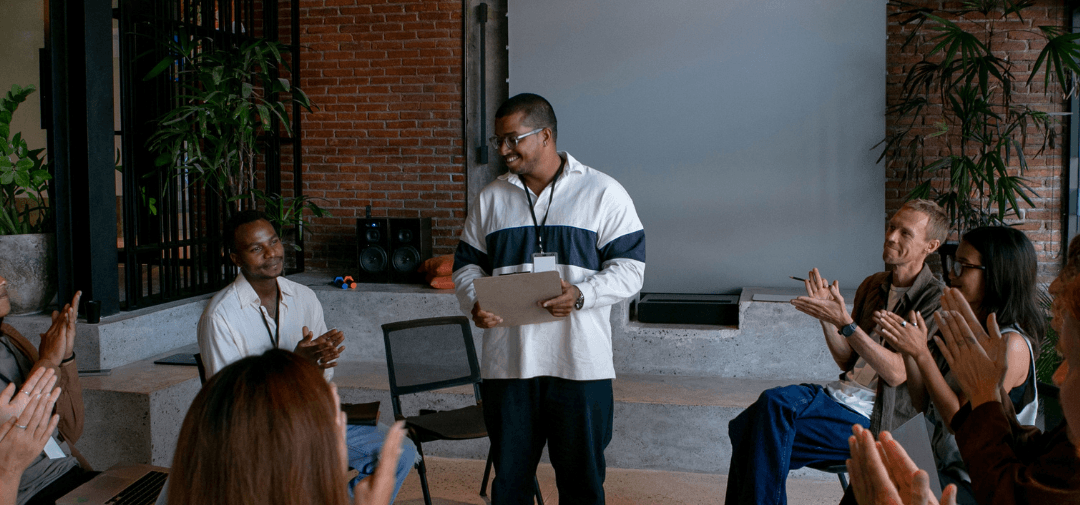
In today’s environment, organizations are being asked to do more than simply convene meetings. Stakeholders expect experiences that are accessible, engaging, purposeful, and respectful of their time. Whether supporting a public hearing, advisory committee meeting, conference, listening session, or strategic planning workshop, the success of an event is increasingly measured not just by attendance, but by how participants experienced it.
Too often, event planning begins with logistics: securing space, coordinating travel, developing agendas, or selecting technology platforms. While those elements remain essential, truly effective stakeholder engagement starts somewhere else entirely: human centered design.
The most successful meetings are designed backwards: from the stakeholder experience outward.
Here are five best practices for improving how attendees experience an event from the A-G Associates Stakeholder Engagement team:
1. Understanding the Audience Changes the Entire Approach
Stakeholders are not one-size-fits-all. A meeting involving federal staff, behavioral health providers, community leaders, grantees, researchers, or members of the public will each require different engagement approaches, communication styles, and facilitation strategies.
When organizations take the time to assess who the stakeholders are, what they need, and how they prefer to engage, the result is a more meaningful and productive experience for everyone involved.
Understanding the audience influences decisions such as:
- How information is communicated before and during the event
- Whether virtual, hybrid, or in-person formats are most effective
- The structure and pacing of agendas
- Accessibility and accommodation considerations
- Opportunities for interaction and feedback
- Facilitation styles that encourage participation and trust
In many cases, these decisions determine whether stakeholders feel included in the process or disconnected from it.
2. Logistics Are Part of the User Experience
Stakeholder engagement does not begin when the meeting starts. It begins with the first interaction participants have with the process.
Clear communications, intuitive registration systems, accessible materials, timely travel coordination, and responsive support all shape stakeholder perceptions long before the first speaker begins. Operational details that may seem minor internally can significantly impact how participants experience the event overall.
Poor audio quality, inaccessible platforms, unclear instructions, delayed reimbursements, or limited opportunities for participation can quickly create frustration and disengagement. Conversely, thoughtful coordination builds confidence and trust in both the meeting and the organization leading it.
From the stakeholder's perspective, logistics are not separate from engagement; they are part of it.
3. Accessibility Improves Engagement for Everyone
Accessibility is another area where stakeholder-centered planning matters. While compliance requirements such as Section 508, ADA accommodations, captioning, transcription, and accessible materials are critical, accessibility should not be viewed solely as a requirement to fulfill.
Accessible meetings are simply better meetings.
Features such as live captioning, plain language materials, flexible participation options, and inclusive facilitation practices improve clarity and participation for all attendees, not just those requesting accommodations. When organizations proactively design meetings with accessibility in mind, they remove barriers to participation and create more equitable engagement environments.
4. Engagement Requires More Than Attendance
Attendance alone does not mean stakeholders feel heard, valued, or connected to the process. Effective engagement requires intentional opportunities for participation. Organizations are increasingly moving beyond static presentations toward more interactive and collaborative approaches, including:
- Facilitated discussions
- Real-time polling
- Breakout conversations
- Virtual collaboration tools
- Stakeholder-informed agenda development
- Structured feedback opportunities
These approaches not only improve participation but also help organizations gather more meaningful insights and strengthen stakeholder trust.
Importantly, stakeholders also want to know that their input matters. Following up after meetings with summaries, action items, and transparent communication around how feedback will be used helps reinforce accountability and sustain engagement over time.
5. Designing for People, Not Just Processes
At its core, stakeholder engagement is about people. Successful meetings are not simply well-organized; they are intentionally designed to support communication, participation, and connection. When organizations begin planning with the stakeholder's experience in mind, they create events that are more inclusive, more productive, and ultimately more impactful.
“The strongest engagement strategies recognize that stakeholders remember more than agendas or presentations — they remember whether they felt welcomed, supported, heard, and respected throughout the process. That experience matters, and it defines the success of the event itself.” said Shedrick.
Start a Conversation
Whether you’re convening a national initiative, building a cross-sector coalition, launching a communications campaign, or providing technical assistance to grantees in the field, A-G brings the engagement architecture, facilitation depth, and creative capability to make it work. Let’s design it together.